

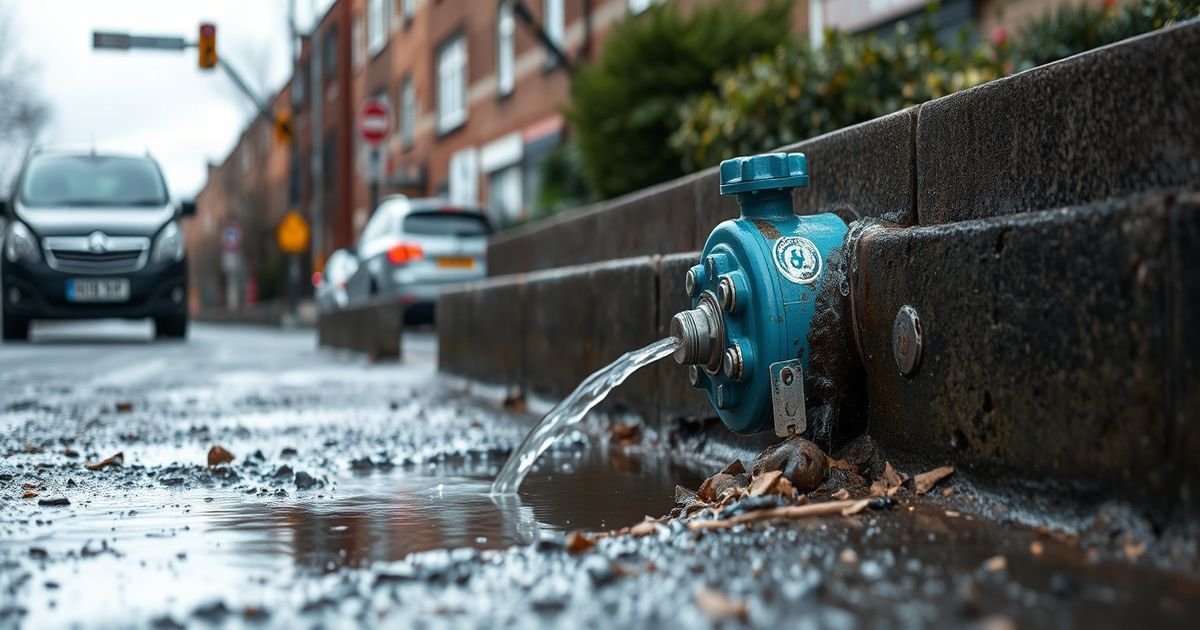
The glasgow water main break shettleston road incident in early 2026 sent shockwaves through Glasgow’s East End, disrupting daily life for thousands. On January 15, 2026, a critical failure in a 30-inch cast-iron water main beneath Shettleston Road caused significant flooding, road closures, and widespread water outages. This event highlighted vulnerabilities in aging urban infrastructure while testing the responsiveness of Scottish Water and local authorities. Residents faced immediate challenges, from inaccessible roads to interrupted water supplies, underscoring the delicate balance between modern city life and century-old utility systems. As repairs commenced, the community rallied, but questions lingered about preventative measures and long-term infrastructure investment. This article dives into the causes, impacts, and lessons from the glasgow water main break shettleston road, offering a comprehensive overview for affected residents and infrastructure stakeholders alike.
Understanding the Glasgow Water Main Break Shettleston Road Incident
The glasgow water main break shettleston road occurred due to a combination of aging infrastructure and extreme winter conditions. The ruptured pipe, installed in the 1920s, succumbed to ground movement and pressure fluctuations during a severe cold snap. Scottish Water confirmed the breach near the junction of Shettleston Road and Gartloch Road, releasing an estimated 500,000 liters of water per hour. Emergency crews worked tirelessly to isolate the damaged section, but not before floodwaters submerged sidewalks and infiltrated nearby properties. According to Wikipedia’s entry on water main breaks, such incidents are increasingly common in cities with legacy systems, particularly during temperature extremes. The glasgow water main break shettleston road exemplifies the urgent need for proactive infrastructure audits. Scottish Water’s initial assessment pointed to corrosion and material fatigue as primary culprits, though investigations into soil erosion and construction impacts are ongoing. This event serves as a stark reminder that even routine weather patterns can overwhelm outdated systems.
Immediate Impact on Shettleston Road and Surrounding Areas
The fallout from the glasgow water main break shettleston road was swift and severe. Key disruptions included:
- Road closures: Shettleston Road between Gartloch Road and Rigby Drive remained shut for 72 hours, diverting traffic through residential streets.
- Water outages: Over 2,000 homes and businesses in Shettleston, Gartloch, and Riddrie lost supply for up to 48 hours.
- Property damage: Basements flooded in low-lying areas, with several shops reporting structural damage.
- Public services: Local schools and clinics operated on backup generators, while bus routes were rerouted.
Residents described chaotic scenes as emergency pumps struggled to contain the flow. “It felt like a disaster movie—water gushing down the street, cars stranded,” shared one local business owner. The incident also exposed inequities in crisis response, as elderly residents and low-income households faced heightened challenges accessing temporary water points. Scottish Water deployed mobile tankers and bottled water stations, but logistical delays left some communities underserved. This phase of the crisis emphasized how a single infrastructure failure can cascade into multifaceted community emergencies, making the glasgow water main break shettleston road a case study in urban resilience.
Response and Repair Efforts by Scottish Water
Scottish Water’s response to the glasgow water main break shettleston road followed a structured emergency protocol, though execution faced hurdles. Within 30 minutes of detection, crews arrived to shut off valves and deploy flood barriers. The repair process unfolded in four critical phases:
- Containment: Diverting water flow using temporary pumps and sandbags.
- Excavation: Digging a 15-meter trench to access the ruptured pipe.
- Replacement: Installing a new ductile iron section with corrosion-resistant lining.
- Testing: Conducting pressure checks and water quality assessments before restoration.
Despite round-the-clock efforts, freezing temperatures hampered progress, extending the repair timeline by 24 hours. Scottish Water’s transparency during the crisis was commendable—daily updates via social media and a dedicated hotline kept residents informed. However, communication gaps emerged in multilingual communities, highlighting the need for inclusive outreach strategies. For those seeking DIY solutions to minor plumbing issues during outages, check out our website for practical guides. The glasgow water main break shettleston road ultimately required a £250,000 investment, funded through Scottish Water’s capital maintenance budget. This incident underscores the importance of balancing rapid response with sustainable resource allocation.
Preventative Measures and Future Infrastructure Plans
In the aftermath of the glasgow water main break shettleston road, Scottish Water accelerated its infrastructure modernization strategy. Key initiatives now include:
- Pipe replacement programs: Prioritizing cast-iron mains in high-risk zones like Shettleston Road, with a goal to replace 100 miles of aging pipes annually.
- Smart monitoring: Installing acoustic sensors and pressure loggers to detect anomalies before failures occur.
- Climate resilience: Designing new systems to withstand extreme weather, informed by Britannica’s overview of water infrastructure.
The 2026 Scottish Infrastructure Report allocated £1.2 billion for water network upgrades, targeting a 40% reduction in main breaks by 2030. Community feedback has shaped these plans, with residents advocating for transparent timelines and minimal disruption during works. Critics, however, argue that funding remains insufficient for Glasgow’s 1,200-mile water network, 30% of which is over 80 years old. The glasgow water main break shettleston road has become a catalyst for policy debates, urging collaboration between councils, utilities, and citizens. As climate change intensifies pressure on urban systems, proactive investment is no longer optional—it’s existential.
Community Response and Support Resources
Local organizations played a pivotal role in mitigating the glasgow water main break shettleston road crisis. Community hubs like Shettleston Community Centre transformed into relief stations, distributing bottled water and hot meals. Volunteer networks coordinated welfare checks for vulnerable residents, while businesses donated supplies. Social media groups (#ShettlestonStrong) facilitated real-time information sharing, demonstrating grassroots resilience. Scottish Water’s compensation scheme offered £50 vouchers for affected households, though many argued this fell short of covering damages. For ongoing support, residents can access:
- Financial aid: Claims for property damage via Scottish Water’s customer portal.
- Health resources: Free water testing kits for concerned households.
- Advocacy groups: Organizations like Glasgow Infrastructure Watch lobbying for systemic change.
The incident fostered unexpected solidarity, with neighbors sharing generators and temporary showers. Yet, it also revealed gaps in emergency preparedness, particularly for non-English speakers. Moving forward, community-led infrastructure committees are being established to ensure local voices shape future upgrades. The glasgow water main break shettleston road taught Glasgow a hard lesson: resilience is built through both engineering and empathy.
Conclusion
The glasgow water main break shettleston road of 2026 was more than a utility failure—it was a wake-up call for Glasgow’s infrastructure future. While Scottish Water’s swift action minimized long-term damage, the incident exposed systemic vulnerabilities demanding urgent attention. As climate pressures mount and urban populations grow, cities must prioritize sustainable investment over reactive fixes. Residents, too, have a role: staying informed, participating in community planning, and advocating for equitable solutions. For those navigating post-incident challenges, learn more on our site about water conservation and emergency preparedness. The road to recovery continues, but Glasgow’s experience offers valuable insights for cities worldwide. By transforming crisis into catalyst, the glasgow water main break shettleston road could ultimately strengthen the foundations of urban resilience.
