

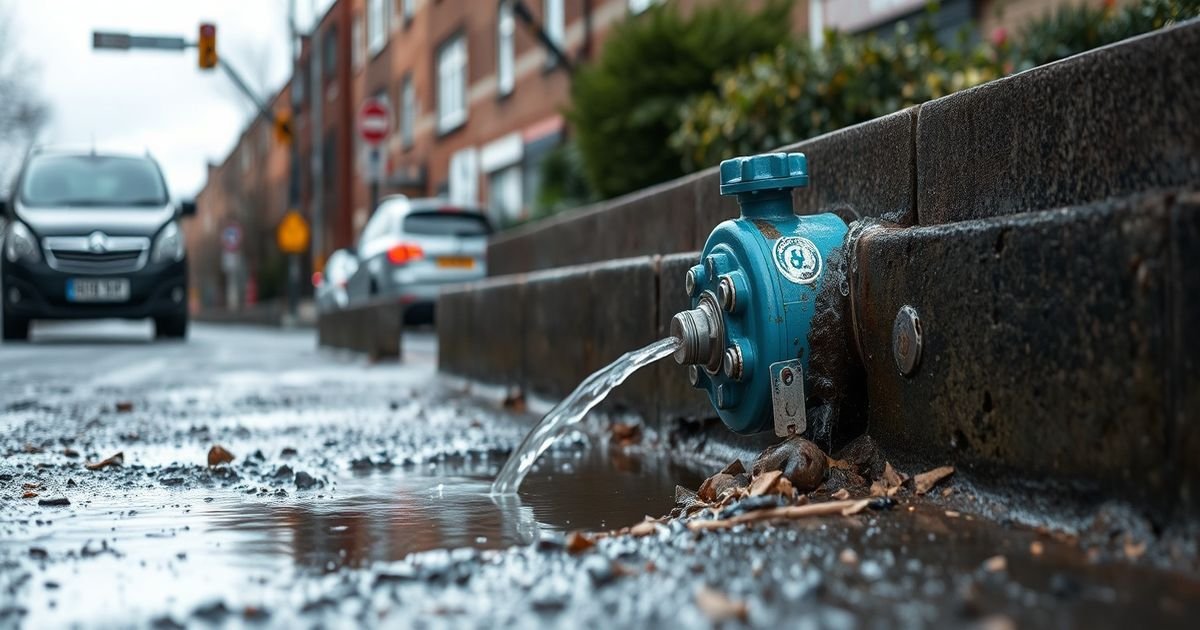
A significant glasgow water main break shettleston road incident occurred in early 2026, causing widespread disruption across the Shettleston area of Glasgow. This critical failure of aging infrastructure led to substantial water loss, road closures, and significant inconvenience for residents and businesses. Understanding the causes, immediate response, and long-term implications of this event is crucial for the community and highlights ongoing challenges with Glasgow’s water network. The glasgow water main break shettleston road serves as a stark reminder of the vulnerability of essential utilities in older urban environments. Swift action by Scottish Water mitigated some damage, but the incident underscores the urgent need for continued infrastructure investment to prevent future disruptions.
Causes of the Shettleston Road Water Main Failure
The primary cause of the glasgow water main break shettleston road was identified as the deterioration of a large-diameter cast iron pipe, installed several decades ago. Glasgow’s extensive water network, parts of which date back to the Victorian era, faces constant pressure from ground movement, fluctuating temperatures, and the sheer weight of urban development above. Corrosion over time significantly weakened the pipe’s structural integrity. A combination of factors likely triggered the final failure: sustained high demand during a cold snap in January 2026, potential ground settlement near the busy Shettleston Road junction, and the inherent fatigue of the aging material. According to Wikipedia, such failures are common in older systems globally, emphasizing the universal challenge of maintaining century-old infrastructure. Scottish Water’s investigation confirmed no immediate external damage (like construction) caused the rupture, pointing squarely to the pipe’s age and condition as the root cause. This incident exemplifies the hidden risks lurking beneath Glasgow’s streets.
Immediate Impact and Community Disruption
The rupture resulted in a massive surge of water flooding Shettleston Road, forcing an immediate and extensive road closure between key junctions. The consequences were severe and multifaceted:
- Water Supply Disruption: Hundreds of homes and numerous businesses in Shettleston, parts of Springboig, and surrounding areas experienced complete loss of water supply for over 36 hours. Emergency tankers were deployed, but access was challenging.
- Transport Chaos: Shettleston Road is a major arterial route. The closure caused significant traffic gridlock across the northeast of Glasgow, impacting commuters and local bus services for several days during repairs.
- Property Damage: Basements of some commercial properties and adjacent residential streets suffered localized flooding, requiring cleanup and potential structural assessments.
- Business Interruption: Local shops, cafes, and services relying on water faced substantial financial losses due to forced closures and operational halts.
The scale of the disruption highlighted the road’s critical role in the local transport network and the heavy reliance of the community on a single, aging water conduit. Residents expressed frustration over the prolonged outage and communication challenges during the initial response phase.
Scottish Water’s Response and Repair Efforts
Scottish Water activated its major incident protocol immediately upon notification. Their response involved several critical phases:
- Isolation & Containment: Crews worked rapidly to locate and shut off the main valves feeding the ruptured section, stopping the flow of water and preventing further flooding. This was complicated by the pipe’s size and location.
- Emergency Repairs: A large trench was excavated to access the broken pipe. Temporary repairs, including clamps and bypass pumping, were implemented within 24 hours to restore partial supply to the most affected areas via alternative network routes.
- Full Replacement: The damaged section was completely replaced with modern, durable ductile iron pipe, a more resilient material better suited to withstand ground movement and corrosion. This permanent fix took approximately 72 hours of continuous work.
- Restoration: Road surfaces and any damaged infrastructure were reinstated to standard. Scottish Water also conducted thorough water quality testing before fully restoring supply to ensure safety.
Throughout the process, Scottish Water utilized its customer notification systems, though some residents reported delays in receiving updates. The utility acknowledged the severity of the incident and apologized for the disruption, emphasizing the complexity of working on live networks in dense urban areas.
Lessons Learned and Future Prevention Strategies
The glasgow water main break shettleston road incident provides vital lessons for infrastructure management. Key takeaways include the critical need for accelerated pipe replacement programs targeting the oldest sections of the network, particularly those made from cast iron. Enhanced monitoring using acoustic sensors and smart technology could provide earlier warnings of potential failures. For homeowners and businesses in areas with known aging infrastructure, understanding basic preparedness is wise; check out our website for practical guides on emergency water storage and shut-off valve location. Scottish Water has reiterated its commitment to its ongoing £3.5 billion capital investment program, which includes significant investment in replacing Glasgow’s oldest water mains over the next decade. Proactive investment, rather than reactive repair, is the only sustainable solution to prevent similar disruptive events. Learning from global best practices, as documented by organizations like the American Water Works Association, is also crucial for Glasgow’s long-term water security.
The Path Forward for Glasgow’s Water Infrastructure
Moving beyond the immediate crisis of the glasgow water main break shettleston road, the focus must shift to systemic resilience. While Scottish Water’s investment program is a positive step, the sheer scale of Glasgow’s legacy infrastructure means challenges will persist. Community engagement is vital; residents reporting unusual water pressure drops, discoloration, or minor leaks can provide early indicators of potential problems. Continued pressure on local and national government to prioritize funding for water infrastructure modernization is essential. The incident underscores that reliable water supply is not just a utility service but a fundamental pillar of public health, economic activity, and community well-being. Ensuring Glasgow’s water network is fit for the 21st century requires sustained commitment, innovation, and adequate resources. For ongoing updates on local infrastructure projects and community resources, visit here. The Shettleston Road break is a costly lesson, but it must catalyze meaningful, long-term action to safeguard Glasgow’s water future.
